


Marc Restellini
Besides his marked contribution – over the past two decades – to the world of culture, museums, and successful exhibitions, Marc Restellini is also a pioneer in the scientific field of art history. He elaborated in his Master’s thesis, a catalogue raisonné based on the most recent data processing methods, which had never been applied to this field, of his grandfather’s work – Isaac Antcher (1899–1992), a painter from the School of Paris.
He then created at Paris I Panthéon–Sorbonne University, under the impulse of Professor Marc Le Bot, a seminar on methodology in art history, in order to link data processing to the doctoral students’ research. He oversaw the seminar in conjunction with the CNRS (represented by Professor Françoise Levaillant) to set up the teaching of the methodologies he had developed for his own research.
In 1997, invited by Daniel Wildenstein, he embarked on the challenge of developing a new Amedeo Modigliani’s Catalogue Raisonné. He was the first to establish an analytical protocol so that every new artwork submitted would have to undergo technical analyses, including pigment identification with X-ray microfluorescence and the use of infrared reflectography, later employing innovative methods like the digital process of “false colours”. It was the first time in France that a private institution would create such a standard for a Catalogue Raisonné. With his 600 documentary files on Modigliani’s works and forgeries, he created a unique comparative calibration, to which he has associated the use of new technologies as they were developed. Marc Restellini has always emphasized the importance of science in the art history field, making the acquisition and development of a state-of-the-art scientific laboratory the next logical step in his pursuit.
“My perspective is that a work speaks for itself, the work has a history, and the work has physical and stylistic characteristics that should be enough to be able to say with certainty, ‘this work is authentic!’”
Marc Restellini, Pace Gallery New York, Symposium on Catalogues Raisonnés, April 2026
“ Restellini’s methodology is forensic, with each work subjected to scientific analysis (including spectrometry, carbon-14, infrared and X-ray imaging) cross-referenced against archival documentary evidence and stylistic analysis.”
The Art Newspaper, April 14th, 2026
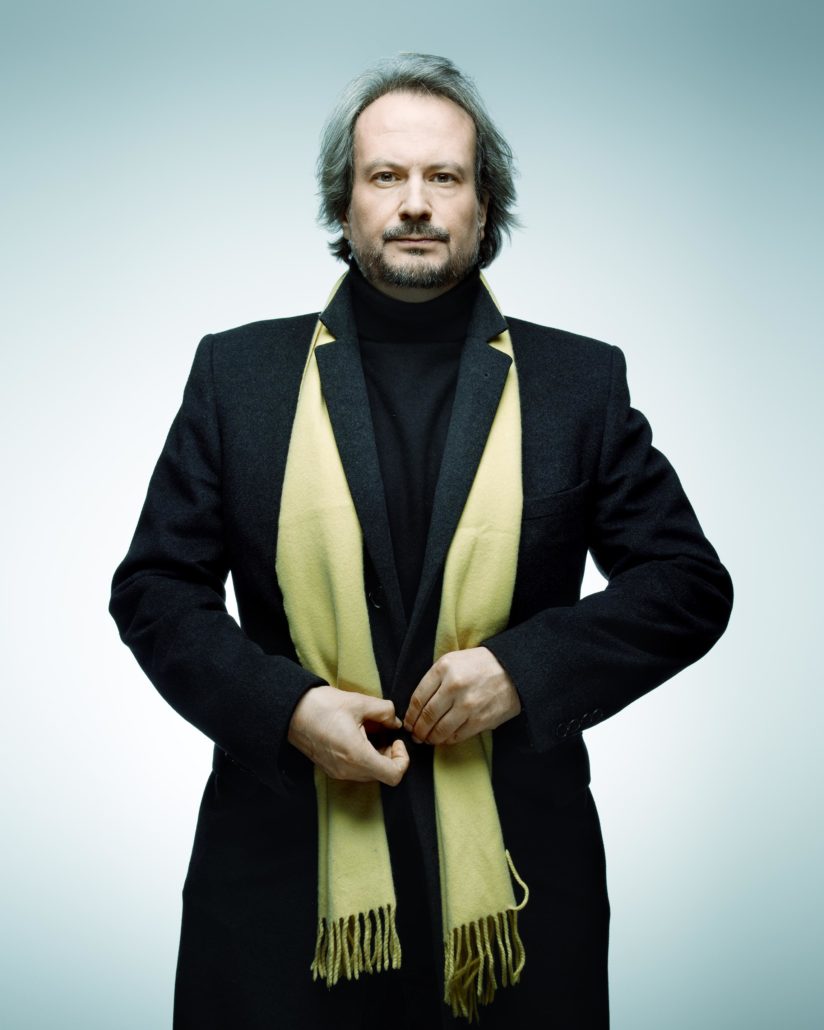
Marc Restellini
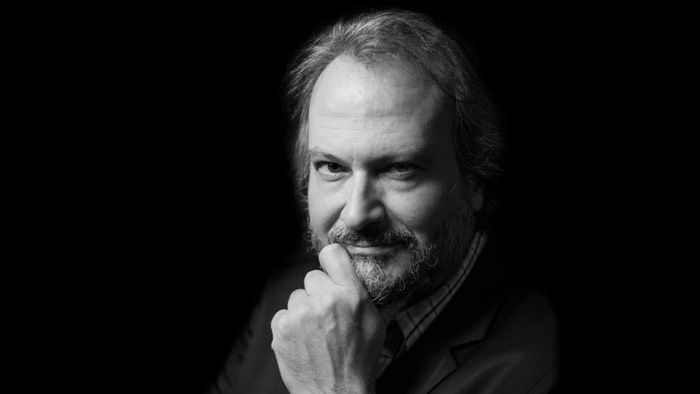
As well as his marked contribution – during the past two decades – to the world of culture, museums and successful exhibitions, Marc Restellini was also a major pioneer in the scientific area of Art History. First of all, during his studies, when he elaborated, as early as in his Master’s thesis, a catalogue raisonné based on the most recent data processing methods, which had never before been applied to that field of human sciences.
He then created in Paris I – Panthéon – Sorbonne, under the impulse of Professor Marc Le Bot, a third cycle seminar of methodology in Art History, in order to link data processing to the doctoral students’ research. He oversaw that seminar in conjunction with the CNRS (represented by Professor Levaillant) to set up the teaching of the methodologies he had developed for his own research.
In 1997, invited by Daniel Wildenstein, he embarked on the challenge to develop new Amedeo Modigliani’s Catalogue Raisonné. He was the first to establish an analytical protocol so that every new artwork submitted would have to undergo technical analyses, including pigment identification with X-ray microfluorescence, and the use of infrared reflectography, later employing innovative methods like the digital process of “false colours”. It was the first time in France, a private institution would ever create such a standard for a Catalogue Raisonné. With his 600 documentary files on Modigliani’s works as well as forgeries, Marc Restellini created a unique comparative calibration, to which he has associated the use of new technologies as they were developed. Marc Restellini has always emphasized the importance of science in the art history field, making the acquisition and development of a state-of-the-art scientific laboratory, the next logical step in his pursuit.
“By imposing his methods, he created a new form of catalogue raisonné: the example of the Modigliani catalogue raisonné remains unique in the world”
“ He is thus the first to develop a comparative pigment analysis protocol for the elaboration
of a paintings catalogue.”